AddThis Feed Button "Frequently Copied, Never Duplicated"

Showing posts with label women's health. Show all posts

Friday, January 06, 2012

FDA slow to take action on vaginal mesh

UPDATE: 24 January 2012

 
If you are experiencing problems because of mesh please consider
looking  to our colleague, Linda Kilpatrick, for more information and support, 


Dems call for Lap-Band, mesh probes ahead of MDUFMA re-authorization


Democrats in the U.S. House of Representatives are calling for a congressional probe into a pair of high-profile medical device products – Lap-Bands and vaginal mesh – as Congress gears up for hearings and a vote on re-authorizing the Medical Device User Fee & Modernization Act.
Capitol Hill
Democrats in the U.S. House, concerned about a pair of high-profile medical devices, want the Energy & Commerce Committee to open a probe into gastric band and vaginal mesh products. SOURCE

US House of Representatives recently has been visiting my series of articles on surgical mesh.  Find them all using our search window.
5 January 2012
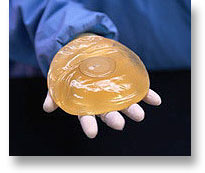
FDA wants new studies on surgical mesh

WASHINGTON (Reuters) - U.S. health regulators ordered new safety studies for surgical mesh implants that are used to hold pelvic organs in place, citing a spike in the number of complications seen for female patients, including erosion and infection.The Food and Drug Administration also said it may reclassify the devices in a higher-risk category that would require manufacturers, such as Boston Scientific and a unit of Johnson & Johnson, to conduct clinical trials in people before receiving approval for sale.
The companies could not be immediately reached for comment.
The devices, made of synthetic or biological material, are commonly implanted in women to repair weakened or damaged tissue and provide support in cases of pelvic organ prolapse (POP). They are also used to help those with a severe overactive bladder known as stress urinary incontinence.
The FDA said it received more than 1,500 reports of complications related to the repairs with mesh from 2008 to 2010, including cases in which the mesh eroded into the vagina or caused bleeding and infection. The rate of problems was five times the rate reported from 2005 to 2007.
The FDA sent letters this week to 35 manufacturers of transvaginal surgical mesh, requesting three-year studies of several hundred women each to study side effects, as well as the women's overall quality of life.
In July, the agency warned that complications with the mesh were "not rare" and that transvaginal organ repair using mesh may put patients at greater risk than other surgeries and treatments.
The FDA also said it was concerned about scientific studies that show a lack of clinical benefit from surgical mesh, compared to non-mesh repair.
About 75,000 women received mesh repairs for pelvic organ prolapse in 2010 and about 200,000 women received transvaginal repairs for stress urinary incontinence.
The agency is asking for more studies from companies that sell the mesh for POP surgery. In the case of mesh used to correct an overactive bladder, the FDA is seeking further study of use of a so-called "mini-sling," when strips of material are used around the bladder neck and the urethra.
During their lifetime, 30 percent to 50 percent of women may experience POP, with two percent developing symptoms. The condition happens when tissue that holds the pelvic organs in place becomes weak or stretched and bulges into the vagina.
Surgery to support prolapsing organs can be done through the abdomen or the vagina, either with stitches or also with surgical mesh for reinforcement.
Surgical mesh has been used since the 1950s to repair abdominal hernias, but doctors only started using the mesh for POP and stress urinary incontinence in the 1990s, a procedure that has grown in popularity.
Companies that wanted to make the mesh specifically for POP or urinary incontinence could submit their application under a 510(k) accelerated review application that did not require them to do clinical trials in people, as long as they could show their implants were similar to devices already on the market.
But during a panel meeting in September, outside advisers to the FDA recommended that the agency reclassify the devices for POP to require companies to submit additional studies. The FDA said it is considering their advice.
Jeffrey Grand, a lawyer at Bernstein Liebhard in New York, is representing women who are suing companies that make the transvaginal mesh, with a case going to trial later this year.
"These things were basically put on the market without any significant safety testing," Grand said. "I'm hoping that all of this brings about some regulatory changes."
~~~~~~~~~~~~~~~~~~~~~~~~~~~~~

In September 2011 the FDA convened a conference on the use of TV mesh and the consideration for changing its device classification to a more stringent one.

Now the FDA is calling for comments regarding its process of classifying its own process.  You can read more about this here... 


FDA Public Health Notification: Official 2008 warning from the FDA

Serious Complications Associated with Placement of Surgical Mesh 

in Repair of Pelvic Organ Prolapse and Stress Urinary Incontinence 


What to consider before choosing surgery -

Alternatives to the laparoscopic Burch and/or paravaginal repair procedures include the following:

  • do nothing and continue to experience the loss of urine
  • medical (non-surgical) treatment
  • lifestyle modification: quit smoking, lose weight, allergy treatment
  • Kegel’s exercise: regular contraction of the muscles that allow you to stop urine in mid-stream may reduce or eliminate incontinence
  • pessary use: usually a donut-shaped rubber or plastic device inserted into the vagina to support the bladder
  • hormonal (estrogen) replacement therapy
  • treatment with medication helps certain types of incontinence
  • other surgical procedures including
    • the so-called anterior repair (performed from a vaginal approach),
    • other procedures performed in the space between the bladder and pubic bone (may be done at laparoscopy or through a large incision at laparotomy),
    • sling procedures usually done with an incision in the vagina and a 1-2" incision at the pubic hairline,
    • collagen injection (injection of a natural glue-like substance into the bladder neck), and
    • InterStim® - a nerve stimulator is surgically placed to reduce bladder irritability

Many times using a combination of several forms of treatment results in the best treatment for incontinence and paravaginal defects (such as losing weight, stopping smoking, taking estrogen replacement, performing Kegel’s exercise, and having the Burch procedure). If you have any questions regarding the above or any aspect of the proposed surgery, be sure to discuss them with your physician. SOURCE

Request our prevention article

Read more -
http://naturalhealthnews.blogspot.com/2009/03/transvaginal-mesh-and-womens-health.html

http://naturalhealthnews.blogspot.com/p/womens-health-transvaginal-mesh.html


How FDA Approved Mesh 


Graphic Courtesy of Patrick

Latest News on Device Approval from Congress, 13 December, 2011

Saturday, March 12, 2011

Misleading Data on Breast Implant-Related Cancer Removed from Site

Toxic Breast Implants

French Warned of Toxic Implants, no one listened
More than 30,000 women have had breast implants filled with industrial silicone instead of medical-grade fillers.  Complete article.

Thousands Of Women Given Leaky, Toxic Breast Implants Complete article.


Breast Implants and Rupture Science is still debating as to whether ruptured silicone breast implants are responsible for illness and disease. What is known is that when the silicone leaches throughout the body, it wants to stay in the body. Any foreign matter, including silicone, is not easily transported out of the body. The body needs help in ridding itself of any potentially harmful agent.
DNR, Inc. has created Body Soak-Gold for those women who have experienced ruptured silicone implants. Its design is to help activate the body's own resources necessary for it to release and remove impurities resulting from leaching or ruptured implants. This can occur with each soak and for hours thereafter.
Light Energized SolutionsBody Soak GOLD Item #: 105-G
Your Price: $52.00
Stress - Cleansing - Breast Implants - Relaxing - Emotions
Posted Feb 2011


Another attempt by mainstream medicine to keep women uninformed about health risks has been stymied.
In February 2011, Public Citizen alerted the FDA that the presidents of two leading plastic surgery organizations – the American Society of Plastic Surgeons (ASPS) and the American Society for Aesthetic Plastic Surgery (ASAPS) – urged members to inaccurately downplay the significance of recent evidence about the risks of breast implant-related cancer when speaking to female patients during a recent members-only webinar posted on the ASPS and ASAPS websites. Such communications represented a deplorable attempt to trivialize the significance of the findings of increased numbers of cases of a rare form of cancer, called anaplastic large cell lymphoma (ALCL), in women with breast implants. Public Citizen called on the FDA to stop this deliberately misleading messaging campaign, the goal of which apparently was to keep women in the dark about the dangers of breast implants so they will continue to ask for them. Complete article

New Leadership:  Karuna R. Jaggar appointed Executive Director of Breast Cancer Action.
San Francisco, CA— After an exhaustive search the Breast Cancer Action board of directors announced Karuna R. Jaggar as the organization’s new executive director.  “We feel extremely proud and excited about our new Executive Director,” said BCA board president Claudia Cappio. “Karuna has worked in non-profit leadership and capacity building for 15 years advocating for women’s rights and socio-economic empowerment.  She uncompromisingly challenges inequities at every level and this will continue to be her focus as she leads Breast Cancer Action.”

Jaggar has a personal passion to end the breast cancer epidemic fueled by her commitment to social justice and her own experiences as a patient advocate.  “My closest family members have grappled with three breast cancer diagnoses during the last ten years,” Jaggar stated.  “It is not enough to educate ourselves and try to make “good” lifestyle choices. We need systemic change to end this breast cancer epidemic.”

Jaggar is driven by the reality that social injustices and environmental factors put each of us at risk of developing breast cancer, regardless of family medical history.  “Every woman affected by breast cancer should possess the power and knowledge to make informed decisions that enable them to take control of their healthcare,” Jaggar said.  “This includes a women’s right to access affordable treatment options, to create individualized treatment plans, and to make healthcare decisions centered on personal values and priorities.”

Under Jaggar’s leadership, BCA will remain uncompromising on issues of health, social and environmental justice:  “We will continue to fearlessly and relentlessly tell the truth about breast cancer,” Jaggar asserted.

Breast Cancer Action, the San Francisco based national watchdog of the breast cancer movement, is known for a commitment to understanding breast cancer through a social justice and health equity lens.  The organization demands greater corporate accountability and better treatment options for patients; pays keen attention to the social inequities that cause differences in breast cancer incidence and outcomes; secures changes at the policy level to reverse involuntary exposure to carcinogens; and works to shift  the balance of power at the FDA away from pharmaceutical companies towards patient interests. 

Prior to her role at BCA, Jaggar was the Executive Director, East Bay of the Women’s Initiative for Self Employment where she worked to reverse inequities among low-income women and women of color.  Jaggar replaces Barbara Brenner who retired at the end of 2010.

Sunday, August 15, 2010

YES! Women Do Have Health Rights

Whether or not you support the ACLU, or even believe in what they do, this win is a positive step in the effort to protect women's health rights.  It also demonstrates to many who still believe that women are second calls citizens, that this is not supported by the law of the land.
Tallahassee, FL – In an important decision for the right of women to make their own medical choices, the Florida District Court of Appeal today ruled that the rights of a pregnant woman were violated when she was forced to remain hospitalized against her will after disagreeing with a hospital's recommended treatment. Read complete article

Saturday, April 04, 2009

Question Authority and Breast Screening

Since 2005 I have posted 45 articles on Natural Health News regarding the risks and hazards of mammogram.

For more than 20 years I have been questioning mammogram and educating people about the known facts that mammogram does not statistically improve discovery, treatment and or cure of breast cancer, and in deed, increases the incidence.

All of this has been known for more than 50 years.

Just this week I sent a message to the Inland NW contingent of the Komen Foundation who are gearing up for another "Race for the Cure". My message was the same: "Why aren't you providing women with the facts about mammogram?"

I also asked why there is no information about thermography, a better screening test with earlier detection and no risk of increasing rates of breast cancer.

You can get the information you need from our non-profit organization with a donation. We do not get any greatly needed donations from pink lids.

Even the local media outlets have refused my efforts over many years, although more then five years ago, one did give some coverage to my concerns.

Women who are most at risk of developing breast cancer deserve better.

CHI's Healthy Handout on Risks of Mammography is available with a donation.

Breast Cancer: To Screen Or Not To Screen?

ScienceDaily (2009-04-04) -- Women are often told that mammography saves lives. But rarely is the question asked, "how often?" Researchers set out to examine how often this life-saving event occurs. ... > read full article

Sunday, March 22, 2009

Women's Health Month and Propaganda

During March our organization sponsors a class for women called "What Your Doctor Won't Tell You".

This has always been very popular and we educate more women every year on this facts of the breast cancer scam and other very specific issues for women's health.

The major reason we have sponsored this program is to help women learn how to be better advocates for their health and not fall prey to substandard health care.

We also do not wish for you to be subjected to forced mammogram, which has been proposed under universal health care. You have rights, you need to be informed, and you need choices.

One of the "Healthy Handouts" we publish is a fact sheet on mammography. It is very important to understand why mammogram is a factor in the increased rates of breast cancer, as is a cell phone, WIFI, and Yoplait.

You can get a copy of this Healthy Handout by making a donation to our parent organization, Creating Health Institute, at PayPal.

In the interim we hope you will consider more about thermography.

We hope too that you will visit our colleague at Thermomed, especially good if you are located in the SoCal area.

Women need to take back the night on their own health and not fall prey to the purveyors of radiation, chemo, and other cancer promoting modalities.

Monday, March 02, 2009

Women kept in the dark when it comes to their health

UPDATE: 2 March: "A Case for Thermography" Healthy Handout© is now available from CHI/The Oake Centre with your donation.
---------------------------------------
UPDATE: 24 Feb: PLEASE READ COMMENT FOR CONFIRMING INFORMATION.
-------------------------------------------------------------------
I agree that women are kept in the dark on mammography, but so is everyone else. I heard this same song from a local hospital administrator when I queried him why his facility was not offering thermography. His reply was that there weren't any studies.

I replied that there were studies and sent him several references. I haven't had a reply, and I don't expect one. I just know I have to drive 75 minutes to get thermography.

With the 3 day Race and March coming soon (Women's Health Month) perhaps you'll like to send along your donation to get our report on mammography that we've finally found time to update. I'm sure it will be eye-opening for the vast majority of women.
Women kept in the dark about the facts about mammography
Dr. John Briffa, 20 February 2009
Mammography is a widely advocated and popular intervention designed to pick up breast cancers earlier than they would otherwise be, and therefore allow less invasive and more effective treatment. However, as I pointed out in a blog back in 2007, some researchers believe that the benefits of mammography are somewhat overblown, and that the potential downsides are at the same time downplayed or not mentioned at all. A major problem with mammography is that it may detect cancers that would not go on to trouble women during their lifespan. This can obviously subject women to unnecessary stress and anxiety, not to mention unnecessary treatment in the form of, say, surgery, radiotherapy and chemotherapy.

The debate about the relative benefits and harms of mammography has reared up again in the UK because of the publication of a letter in the Times newpaper which can you read here. In it, 23 interested parties cite evidence that is published by the researcher Peter Gøtzsche and his colleagues from the independent Nordic Cochrane Centre in 2006 [1]. This review of the available literature concluded that: “for every 2000 women invited for screening throughout 10 years, one will have her life prolonged. In addition, 10 healthy women, who would not have been diagnosed if there had not been screening, will be diagnosed as breast cancer patients and will be treated unnecessarily. It is thus not clear whether screening does more good than harm.”

The letter in the Times appears timed to coincide with the print publication of an article by Peter Gøtzsche and colleagues in this week’s British Medical Journal [2]. The article outlines some of the apparent deficiencies and omissions in the information given to UK women regarding breast screening. The article refers to the UK Department of Health (DoH) leaflet entitled ‘Breast Screening; the Facts’. The authors of the article make the point that the title of the leaflet suggests the information can be trusted. But can it?

The authors of the BMJ piece make the point that the DoH leaves no doubt that screening is good for women, and quote excerpts from the leaflet which include: “Why do I need breast screening?”, “If changes are found at an early stage, there is a good chance of a successful recovery,”. The leaflet also claims that breast screen saves “an estimated 1400 lives each year in this country” and “reduces the risk of the women who attend dying from breast cancer.”

However, according to the authors, the leaflet has many deficiencies which mean that women cannot make informed decisions about whether they attend breast screening or not.

For instance, no mention is made of the major harm of screening—that is, unnecessary treatment of harmless lesions that would not have been identified without screening. It is in violation of guidelines and laws for informed consent not to mention this common harm, especially when screening is aimed at healthy people. The new guidelines from the General Medical Council state: “You must tell patients if an investigation or treatment might result in a serious adverse outcome, even if the likelihood is very small.” The likelihood of being overdiagnosed after mammography is not very small; it is ten times larger than the likehood [sic] of avoiding death from breast cancer.

The leaflet notes that about one in every 20 women screened will be recalled for more tests because of ‘false positive’ results (results that suggest a problem when, in reality, there is none). But, as Gøtzsche and colleagues point out, the more screenings a woman has, the more likely she is to end up with a false positive result. They cite evidence that shows that after 10 screens, risk of false positive diagnosis was 50 per cent in one piece of research and 20 per cent in another. The authors add: “We now know that the psychosocial strain of a false alarm can be severe and may continue after women are declared free from cancer.”

Basically, mammography can lead to women have unnecessary treatment including radiotherapy. Gøtzsche and colleagues point this out, and also explore some of the risks associated with this. They note that the leaflet tells women that the dose of radiation from mammography is very small, but does not tell women of the risks associated with healthy women having radiotherapy. They cite evidence that radiotherapy suggesting that radiotherapy may double the risk of death from heart disease and lung cancer. The authors that that “Technological improvements may have diminished these harms to some extent, but they are still important.”

The authors also tell us that the leaflet summary implies that screening leads to fewer mastectomies. In fact, research shows that screening leads to 20 per cent more mastectomies being performed.

Also, we are told that the leaflet expresses no reservations about screening older women, “only a scare that the breast cancer risk increases with age, although it has not been shown that screening these women decreases their risk of dying from breast cancer. Furthermore, the problem with overdiagnosis becomes more pronounced, and the likehood of gaining any benefit smaller, due to competing risks of death.”

And, finally, the authors point out that it has not been proven that screening saves lives. While it may reduce the risk of breast cancer mortality (by about 15 per cent), studies show that breast screening does not decrease total cancer mortality. As the authors point out “This indicates that the benefit of screening is likely to be smaller than generally perceived.”

The authors then conclude: “We believe that if policy makers had had the knowledge we now have when they decided to introduce screening about 20 years ago, when nobody had published data on overdiagnosis or on the imbalance between numbers of prevented deaths from breast cancer and numbers of false positive screening results and the psychosocial consequences of the false alarms, we probably would not have had mammography screening.”

This is one group of reseachers’ view, and not everyone will share it. The figures regarding those that benefit and those who may come to harm have been disputed. However, there can be little doubt that many women are simply not being informed of the full facts about breast screening. So one figure I think we can be certain of is that chances of these women making a truly informed decision about mammography is zero. I’m not against mammography, but I am against women being kept in the dark about the true benefits and risks associated with this practice.

References:

1. Gøtzsche PC, Nielsen M. Screening for breast cancer with mammography. Cochrane Database of Systematic Reviews 2006, Issue 4. Art. No.: CD001877. DOI: 10.1002/14651858.CD001877.pub2.

2. Gøtzsche PC, et al. Breast screening: the facts—or maybe not. BMJ 2009;338:b86

Wednesday, February 18, 2009

More problems for Women's Health

The difficulty here from my perspective is that you aren't being told that anyone treated for any type of cancer can later develop other cancers. Usually people are told that if they achieve the 5 year window successfully following treatment they are cancer free. The other side of this is that if you do develop cancer again after the end of the 5 year window, it is statistically interpreted as a "new"cancer, although that may not in fact be the case.

What I wonder is why don't more women get told about the real and effective benefits from herbs and other nutritional supplements along with diet that will off set menopausal symptoms bone loss concerns. At time is is important to consider liver health because of its role in recycling neurotransmitters and detoxification, all interfered with by chemotherapy and other synthetic hormone pharmaceuticals.
Menopause drug linked to breast cancer relapse
Tue Feb 17, 2009
PARIS (AFP) – A synthetic steroid used to treat menopause symptoms and prevent osteoporosis significantly increases the risk of a relapse in breast cancer patients, according to a study released Tuesday.

The steroid, called tibolone, should not be prescribed to a woman who has had or is suspected of having breast cancer, concluded the study, published in the British medical journal The Lancet Oncology.

Women with breast cancer undergoing chemotherapy are often beset with the debilitating symptoms of menopause, including hot flushes, night sweats, and bone loss.

Tibolone is licensed for use in 90 countries for alleviating these symptoms, and 55 countries have approved its use in treating osteoporosis, according to the study.

But concern that the drugs might also cause a recurrence of cancer have led to their being ruled out for patients with breast cancer.

Still, many patients with breast cancer use the drug -- often available without prescription -- to counteract the effects of menopause.

In clinical trials led by Peter Kenemans of the VU University Medical Centre in Amsterdam, 3,098 women who had been surgically treated for breast cancer and who were experiencing hot flushes along with other related symptoms were divided into two groups.

The first was given a daily dose of 2.5 milligrammes of tibolone, and the second a look-alike placebo.

Just over 10 percent of the women who had taken the dummy medication suffered a cancer relapse, compared to more than 15 percent of the women who had taken the steroid -- an increased risk of 40 percent.

Seventy percent of the recurrences among the tibolone group were so-called "distant metastatses," which are invariably fatal.

The increased risk was so pronounced that the trial was stopped six months early.

"Although the trial was intended to show the non-inferiority of tibolone compared with placebo, the findings clearly show that -- although effective against hot flushes -- tibolone does increase the risk of breast-cancer recurrence," the study said.

Copyright © 2009 Agence France Presse.

Wednesday, February 11, 2009

The Red Dress, Heart Month and Women's Health


"Heart Disease Doesn’t Care What You Wear -- It’s the Number 1 Killer of Women."

The primary goal of The Heart Truth campaign is to raise awareness that heart disease is the number one killer of women.

To support this goal, The Heart Truth campaign launched the Red Dress as the national symbol for women and heart disease awareness in February 2003.

A longtime friend of mine, about age 67, was found dead on the floor in her home just under two weeks ago. She had a good doctor but still her damaged heart probably just quit.

Another very dear friend of mine, and younger than I am, has been dealing with heart failure for a couple of years. Her doctor is described as rude and demeaning of her choice of more natural care which the doctor disdains. Still my friend seems to be doing fairly well.

Because I've spent over 30 years in the health care industry in various levels of nursing, administration and education I've known for quite some time that male focused mainstream medicine does not usually do studies on health issues that affect women. The treatments also are based on how men are affected as are the symptoms listed as warnings for heart attack. Only very recently has this started to change.

But, having the enquiring mind that I do, and the fact that I am an inveterate proponent of public health and natural care, I am just wondering this: Has anyone ever looked at the effect of Annual Screening Mammogram and the increase in the rate of heart disease in women?

It is a fact that radiation from x-ray exposure is cumulative and has a deleterious effect on thyroid, heart and breast health. Breast cancer is a side effect of mammogram. Heart disease and thyroid imbalance are side effects of radiation treatment for breast cancer.

What might your thoughts be?

Monday, February 09, 2009

How Mainstream Media Distorts Health Information

I will readily say that mainstream media outlets have a one-sided medical only slant on news when it comes to reporting on current health issues.

An informative health journalism review organization I subscribe to sent out an evaluation that can serve as a very specific example of what I mean.

From the TODAY show here is a 6-minute segment almost completely devoid of evidence and data, riding the single personal anecdote of the network's medical editor. Disease-mongering. Incomplete story on heart CT scans....

I also have to offer that the reference in the video to using statins is not very good information based on the science, even if it is coming from a doctor.

Monday, January 12, 2009

Corruption at the FDA? You Betcha Red Rider!

What big eyes you have my dear, and now let me explain why you should avoid the digital mammography scam -

"In the letter the group singled out mammography computer-aided detection devices as an example of a technology that should not have gone forward. The devices were supposed to improve breast cancer detection, but instead studies showed they were associated with false alarms that led to unnecessary breast biopsies.

Since 2006, FDA experts have recommended five times against approving the devices without better clinical evidence, the letter said. In March of last year, a panel of outside advisers supported some of the concerns of the FDA's in-house scientists. Nonetheless, FDA managers overruled the objections and ordered approval."


Remember to "question authority" because your life and your health depend on it.
FDA scientists complain to Obama of 'corruption'
By RICARDO ALONSO-ZALDIVAR – Associated Press
WASHINGTON (AP) — In an unusually blunt letter, a group of federal scientists is complaining to the Obama transition team of widespread managerial misconduct in a division of the Food and Drug Administration.

"The purpose of this letter is to inform you that the scientific review process for medical devices at the FDA has been corrupted and distorted by current FDA managers, thereby placing the American people at risk," said the letter, dated Wednesday and written on the agency's Center for Devices and Radiological Health letterhead.

The center is responsible for medical devices ranging from stents and breast implants to MRIs and other imaging machinery. The concerns of the nine scientists who wrote to the transition team echo some of the complaints from the FDA's drug review division a few years ago during the safety debacle involving the painkiller Vioxx.

The FDA declined to publicly respond to the letter, but said it is working to address the concerns.

In their letter the FDA dissidents alleged that agency managers use intimidation to squelch scientific debate, leading to the approval of medical devices whose effectiveness is questionable and which may not be entirely safe.

"Managers with incompatible, discordant and irrelevant scientific and clinical expertise in devices...have ignored serious safety and effectiveness concerns of FDA experts," the letter said. "Managers have ordered, intimidated and coerced FDA experts to modify scientific evaluations, conclusions and recommendations in violation of the laws, rules and regulations, and to accept clinical and technical data that is not scientifically valid."
A copy of the letter, with the names of the scientists redacted, was provided to The Associated Press by a congressional official.

"Currently, there is an atmosphere at FDA in which the honest employee fears the dishonest employee, and not the other way around," the scientists wrote.

FDA spokeswoman Judy Leon said in response: "We have been working very closely with members of the transition team and any concerns or questions they have on any issue, we will address directly with the team. Separately, the agency is actively engaged in a process to explore the staff members' concerns and take appropriate action."

Senior Democratic and Republican lawmakers are urging Obama to appoint a commissioner who will shake up the FDA and restore the confidence of its working-level scientists and medical experts. But industry officials fear that approval of new drugs and devices could be delayed by endless scientific disputes — which is the agency's reputation.

The FDA dissidents have previously taken their concerns to Congress and found support from lawmakers in the House.

In the letter the group singled out mammography computer-aided detection devices as an example of a technology that should not have gone forward. The devices were supposed to improve breast cancer detection, but instead studies showed they were associated with false alarms that led to unnecessary breast biopsies.

Since 2006, FDA experts have recommended five times against approving the devices without better clinical evidence, the letter said. In March of last year, a panel of outside advisers supported some of the concerns of the FDA's in-house scientists. Nonetheless, FDA managers overruled the objections and ordered approval.

Top FDA managers "committed the most outrageous misconduct by ordering, coercing and intimidating FDA physicians and scientists to recommend approval, and then retaliating when the physicians and scientists refused to go along," the letter said.

A spokeswoman said the Obama transition team had no comment.

And as an additional comment -
Report: FDA lax in oversight in trials Published: Jan. 12, 2009

WASHINGTON, Jan. 12 (UPI) -- The U.S. Food and Drug Administration does little to oversee doctors' financial conflicts of interest in clinical trials, government inspectors said Monday.

The inspector general's report from the Department of Health and Human Services also said its investigators were told by FDA officials trying to protect patients from such conflicts was essentially a waste of time, The New York Times reported.

The agency received no forms disclosing doctors' financial conflicts in 42 percent of clinical trials of drugs and medical devices, and regulators did nothing about the problem, the inspector general said.

In 31 percent of the trials in which the agency did receive the required forms, FDA reviewers gave no indication they'd looked at the information, the inspector general said.

And in 20 percent of the cases in which doctors admitted significant financial conflicts, neither the FDA nor the sponsoring companies did anything to deal with the conflicts, the investigators found.

An FDA spokeswoman told the Times the agency did not review doctors' financial conflicts before trials because the conflicts represented only one possible source of bias.

Studies have found that 20 percent to 33 percent of all doctors who help oversee clinical trials have financial conflicts, the Times said.
Source: UPI.

Friday, December 19, 2008

Testing Hormone Bending Ingredients Should Not Be Sexually Biased

The fact that the EPA would exclude women from their proposed testing of the risks and hazards of pthalates is unconscionable.

Chemicals are equal opportunity toxins....

Hormones Should Be Analyzed Together

Scientists to EPA: Risks of Chemicals That Alter Male Hormones Should Be Analyzed Together Concluding that nearly everybody is exposed to a mix of chemicals that could be damaging male reproductive health, a national panel of scientists on Thursday advised the U.S. Environmental Protection Agency to shift its focus and group them together when judging how much of a danger they pose.